
Sub-Total: $0.00
Why Powder Coated Lights Last Longer
| Blog
Table of Contents
- What Powder Coating Is and How It Protects Outdoor Lights
- How Long Does Powder Coating Last Outdoors
- Powder Coating vs. Paint for Outdoor Lights
- Why Powder Coated Lights Resist Fading, Rust, and Corrosion
- Powder-Coated Light Fixture Maintenance and Care
- How to Repair Chipped Powder Coating on Outdoor Lights
- When to Recoat, Repair, or Replace Your Powder-Coated Displays
- Frequently Asked Questions
Last Updated: October 11, 2026
What Powder Coating Is and How It Protects Outdoor Lights
Powder coating is a dry finishing process that applies a protective layer to metal surfaces through electrostatic spray. Unlike traditional paint, it bonds chemically to the metal, creating a uniform, durable finish that makes powder coated lights resilient against the elements.
Charged powder particles are sprayed onto grounded metal and heat-cured, forming a hard shell thicker and more durable than liquid paint. This protective coating resists moisture, temperature swings, and UV exposure far better than conventional alternatives.
At The Holiday Light Store, we use powder coating on our animated light sculptures because it delivers the durability customers expect season after season.
The key advantage for outdoor lighting is that powder coating doesn’t crack, chip, or peel the way paint does. It flexes slightly with metal expansion and contraction caused by temperature changes. This flexibility prevents the coating from separating from the base metal, which is where corrosion typically begins.
How Long Does Powder Coating Last Outdoors
Powder coated lights typically last 15 to 20 years in most outdoor environments when properly maintained. Lifespan varies based on three factors: coating thickness, surface preparation quality, and environmental exposure.
Coating Thickness and Durability
Coating thickness is the largest determinant of lifespan. Quality jobs apply 2 to 3 mils; a 2-mil coating degrades faster than 3-mil under identical conditions. Budget manufacturers apply only 1 to 1.5 mils, causing failure in 8 to 12 years rather than 15 to 20.
Surface Preparation: The Hidden Factor
Surface preparation determines coating adhesion. Poor prep is a common cause of premature failure within 5 to 7 years, even when the coating itself is sound.
Proper prep involves:
- Degreasing to remove oils, dirt, and manufacturing residue
- Abrasive blasting or chemical stripping to remove old coatings and create a clean, slightly roughened surface that powder can grip
- Conversion coating (a thin chemical layer) to inhibit flash rusting and improve adhesion
Rushed prep, skipping degreasing, using light abrasion, or omitting conversion coating, allows moisture under the coating, causing bubbling or peeling 3 to 5 years later. Professional shops spend 40-50% of labor on prep; budget shops cut corners.
Environmental Exposure and Real-World Lifespan
Environmental conditions shape lifespan dramatically:
Coastal salt-spray environments accelerate failure significantly. ASTM B117 testing shows powder-coated steel withstands 1,000+ hours of salt spray versus 100-200 hours for painted steel. Real-world coastal exposure is harsher than lab conditions; fixtures often see 10-12 year lifespans. Salt deposits concentrate at seams and fasteners if not regularly rinsed away.
High-humidity inland climates shorten lifespan by 2-4 years compared to dry climates, stressing the coating at edges and joints.
Dry, low-UV climates extend lifespan well beyond 20 years; fixtures often remain excellent at 25+ years.
Freeze-thaw cycles stress the coating through repeated expansion and contraction, reducing lifespan by 2-3 years compared to temperate zones.
Direct sun exposure accelerates UV degradation. Fixtures in partial shade or sheltered locations last longer.
Reading Warranties and Lifespan Claims
Manufacturer warranties often claim 10, 15, or 20 years of protection, but the fine print matters. Most warranties cover:
- Adhesion failure (peeling or bubbling caused by poor prep or application)
- Rust perforation (rust breaking through the coating)
They typically do NOT cover:
- Color fading (UV exposure is considered normal wear)
- Chalking (surface oxidation that makes the finish dull)
- Damage from impact, scratches, or improper maintenance
- Failure in extreme environments (coastal salt spray, industrial pollution, or chemical exposure may void coverage)
A 15-year warranty in a coastal zone may be less meaningful; the coating may fade or chalk before year 15. A 10-year warranty in a dry climate may be conservative, the coating could last 20+ years.
Powder Coating vs. Paint for Outdoor Lights
Powder coated lights outperform paint in durability, maintenance, and longevity. Paint typically lasts 5 to 7 years before significant fading or peeling; powder coating lasts 15 to 20 years.
Paint’s weaker bond fails when temperature changes cause metal expansion and contraction, allowing moisture underneath and rust development. Powder coating bonds at the molecular level through heat curing, creating a continuous, impenetrable barrier.
Paint requires repainting every 5 to 7 years; powder coating needs recoating once after 15 to 20 years, one major event instead of three or four.
Powder coating costs more upfront but comes out ahead over 20 years when accounting for repainting labor, materials, and display downtime.
Why Powder Coated Lights Resist Fading, Rust, and Corrosion
Powder coating blocks UV rays from reaching the base metal, which is why powder coated lights maintain color far longer than painted alternatives. UV resistance is built in through polyester or polyurethane resin formulations that absorb and scatter harmful rays.
How Powder Coating Prevents Rust and Corrosion
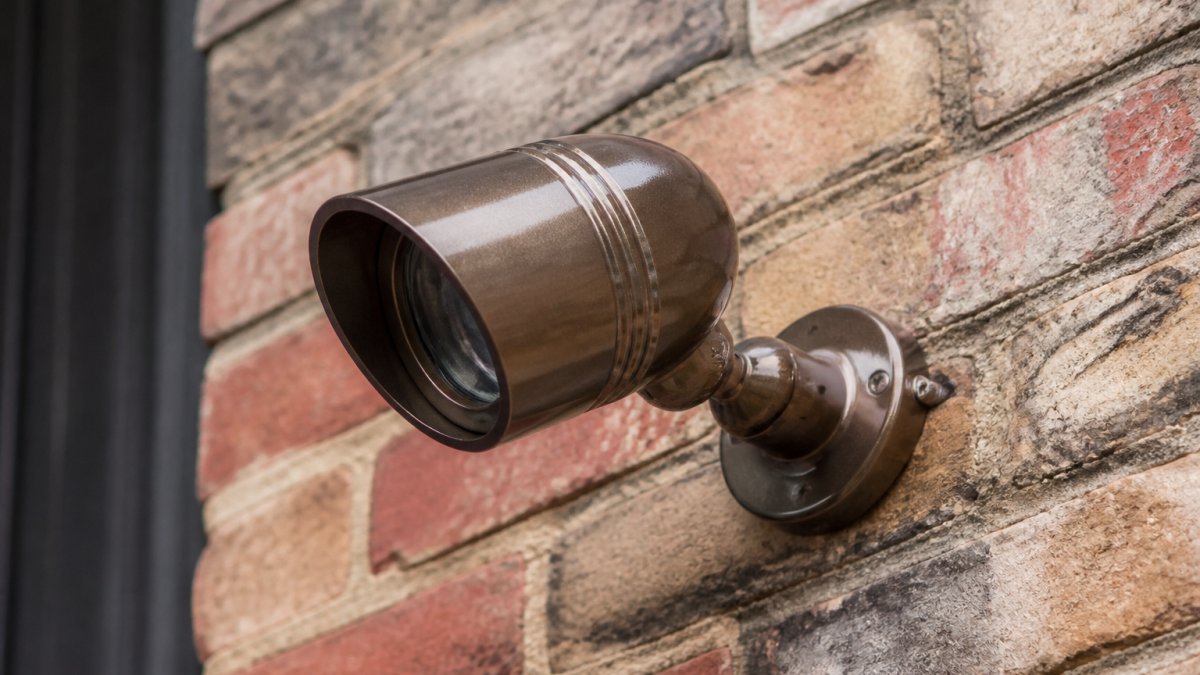
Rust occurs when moisture reaches bare metal and oxygen triggers oxidation. Powder coating prevents this by creating a continuous, impermeable seal that blocks oxygen and water from reaching the metal surface.
ASTM B117 salt fog testing shows powder-coated metals withstand significantly longer salt spray exposure than painted surfaces before rust appears, which is why coastal homeowners seek powder-coated fixtures.
Powder coatings include additives that enhance corrosion resistance. Polyurethane formulations provide superior UV resistance and color retention compared to polyester.
Powder coating’s lack of pores prevents water penetration. Conventional paint is porous and absorbs moisture, creating rust beneath the surface that remains hidden until the paint fails.
Lighting-Specific Failure Points: Where Corrosion Begins
While powder coating is durable across most of a fixture’s surface, certain areas are inherently vulnerable. Understanding these weak points helps you monitor your fixtures and catch problems early.
Seams and joints are the primary failure zone. Moisture wicks into seams through capillary action, causing corrosion inside before external rust appears. Welded construction lasts longer than mechanical fasteners because welded seams can be ground smooth and coated uniformly, while bolted joints create permanent crevices.
Fasteners and mounting hardware are critical failure points. Water pools around fasteners; if the coating is thin or damaged, rust spreads outward. This is especially problematic on horizontally mounted fixtures where water collects.
Edges and sharp corners receive thinner coating from electrostatic spray and are the first to show chalking or fading. Chips or scratches allow corrosion to begin and spread inward.
Mounting points and brackets are stress points where metal flexes during wind or thermal expansion, causing coating cracks that allow water and rust formation.
Water-collection areas (recessed sockets, fixture bowls) are silent killers. Fixtures with poor drainage accumulate water and fail faster than those with sloped surfaces and drain holes.
Monitoring and Early Detection
Look for these warning signs of corrosion:
- Bubbling or blistering under the coating surface
- Rust staining around fasteners or seams
- Chalking or dull spots on edges and corners
- White or gray powdery deposits on the surface
- Cracks or peeling at seams or stress points
If you notice any of these, address them promptly. Small chips can be touched up with rust-inhibiting primer and powder-coat-matching paint. Larger damage or corrosion inside seams may require professional recoating or, in severe cases, replacement of that component.
In coastal or high-humidity environments, rinse your fixtures with fresh water every 3-6 months to remove salt deposits and prevent them from concentrating at seams and fasteners. This simple step can extend lifespan by 2-3 years in salt-spray zones.
Powder-Coated Light Fixture Maintenance and Care
Keeping powder coated lights in top condition requires minimal effort. Twice yearly, wash fixtures with mild soap and water using a soft cloth or brush.
Maintenance routine: rinse with cool water, use a soft-bristled brush with mild dish soap for stubborn dirt, avoid harsh chemicals or abrasive cleaners, dry with a soft cloth, and inspect for visible damage.
Avoid high-pressure washing, which forces water into electrical connections and damages coating at seams. Hand washing is safer and equally effective.
Check fixtures annually for chips or scratches. Early detection allows you to address problems before they spread and helps determine when recoating is necessary.
Store displays in a dry, climate-controlled location. Avoid damp basements or unheated sheds where condensation accelerates corrosion.
How to Repair Chipped Powder Coating on Outdoor Lights
Minor chips can be repaired with touch-up paint formulated for powder-coated surfaces. Address damage quickly before moisture seeps underneath and starts corrosion.
For small chips (less than 1/4 inch): clean with a wire brush, wipe with a damp cloth and dry, apply rust-inhibiting primer, use powder-coat-matching touch-up paint, and allow proper curing time.
Touch-up paint may not match perfectly if the fixture is older, but the protective function is restored, preventing rust formation.
For larger damage (1/4 inch to 1 inch), use an epoxy-based repair compound designed for powder-coated metals, which cures harder and lasts longer than touch-up paint.
For damage larger than 1 inch or multiple worn areas, professional recoating is better. Spot repairs look patchy and provide inconsistent protection; full recoating ensures uniform protection.
When to Recoat, Repair, or Replace Your Powder-Coated Displays
The decision to repair, recoat, or replace depends on the extent of damage, the fixture’s age, and your budget. Here’s how to evaluate each option:
Repair is best when: damage is limited to small chips, the coating is otherwise good, the fixture is under 10 years old, and you want a quick, low-cost fix.
Recoating makes sense when: multiple areas show fading or peeling, the fixture is 15 to 20 years old, you want to restore appearance and extend lifespan, and underlying structure and electrical components are sound.
Replacement is right when: damage is extensive, the fixture is over 20 years old with severe corrosion, electrical components are failing, or recoating costs approach replacement cost.
Professional recoating typically costs less than replacement and returns the fixture to like-new condition by stripping, preparing, and recoating.
The Holiday Light Store specializes in handmade, powder-coated displays built to last. We stand behind our craftsmanship and want your display to bring joy for decades.
When you choose powder coated lights for your outdoor display, you’re investing in durability and long-term performance. The protective barrier created by powder coating resists fading, rust, and corrosion far better than conventional paint, keeping your display vibrant and functional for 15 to 20 years or more. At The Holiday Light Store, we use powder coating on every animated light sculpture we create because we believe your holiday display should last as long as the memories it creates. Ready to build a display that will dazzle for years? Shop our collection of handmade, powder-coated light sculptures and experience the difference quality construction makes.
Frequently Asked Questions
How long does powder coating last outdoors on holiday lights?
Powder-coated outdoor lights typically maintain their protective finish for 10-15 years or longer when properly maintained and exposed to typical weather conditions. The exact lifespan depends on climate severity, UV exposure, salt fog (in coastal areas), and how well you care for the fixture. Annual cleaning and prompt repair of chips extend the life significantly. Handmade, American-made fixtures with quality surface preparation often exceed these timelines.
Why does powder coating protect outdoor light fixtures better than regular paint?
Powder coating bonds chemically to the metal surface during curing, creating a uniform, durable barrier that paint cannot match. Unlike paint, which can peel or chip easily, powder coating resists fading from UV light, moisture penetration, salt fog, and physical impact. The protective barrier prevents rust and oxidation from reaching the underlying metal, and the finish requires less maintenance. This makes powder-coated lights ideal for holiday displays exposed to harsh weather.
Can powder-coated lights rust or chip?
Powder-coated lights can chip if struck hard, but the coating resists rust far better than painted metal. When chips do occur, they expose bare metal underneath, which can oxidize if left unprotected. Prompt repair with touch-up powder coating or epoxy prevents rust from spreading. Quality surface preparation and coating thickness during manufacturing reduce chipping risk. Properly maintained powder-coated fixtures rarely develop rust problems over their lifespan.
How should you maintain powder-coated outdoor lights?
Clean your powder-coated light fixtures annually with mild soap and water to remove salt, dirt, and debris that accelerate corrosion. Dry thoroughly after cleaning. Inspect for chips or damage before winter storage, and address any exposed metal with touch-up coating. Avoid harsh chemicals or abrasive scrubbing, which damage the finish. Store indoors during off-season if possible. Regular inspection and prompt repair of chips are the most important maintenance steps to extend lifespan.
