
Sub-Total: $0.00
Christmas Cottage Lights Alternatives: Top Outdoor Options
| Blog
Table of Contents
- Why Homeowners Are Rethinking Traditional Cottage Light Displays
- Outdoor Christmas Light Alternatives at a Glance: Cost, Effort, and Durability
- Total Cost and Energy Use: The Number Most Guides Skip
- Weather Resistance and Outdoor Suitability
- Low-Effort Installation and Accessibility
- Light Pollution and Neighbor-Friendly Choices
- Low-Installation Options: Projectors and Panel Lights
- Freestanding Displays: Inflatables, Wire-Frame Sculptures, and DIY Lanterns
- The Case for Animated Outdoor Christmas Light Displays
- What Makes Durable Outdoor Holiday Decorations Worth the Investment
- Roof-Free Decorating Plans: Safety, Accessibility, and Curb Appeal
- American-Made Holiday Lighting: Why Craftsmanship Changes the Equation
- Matching the Alternative to Your Home, Budget, and Holiday Goals
- Frequently Asked Questions
Last Updated: October 20, 2026
Why Homeowners Are Rethinking Traditional Cottage Light Displays
A cottage-style Christmas display, cottage lights draped across eaves, windows, and rooflines, creates that nostalgic, storybook look.
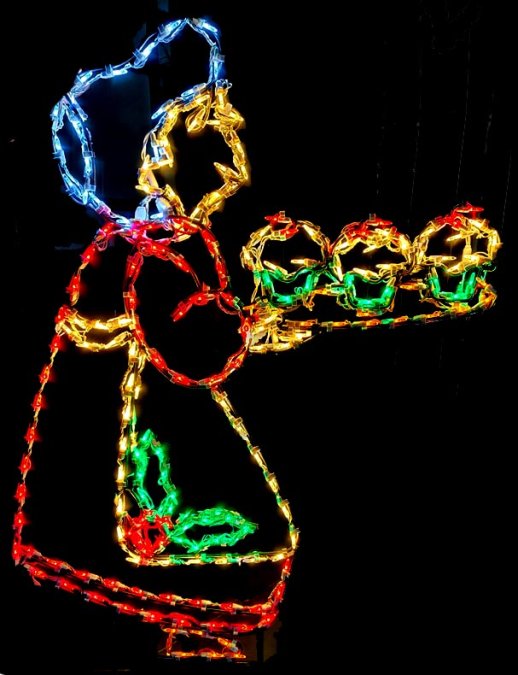
At The Holiday Light Store, we hear the same frustrations: roof work in freezing weather is risky, string lights tangle and burn out, and one storm can wreck a roofline display.
Traditional cottage lighting demands roof access, electrical know-how, and hours most people don’t have. This guide compares outdoor Christmas light alternatives that skip the roof entirely.
Outdoor Christmas Light Alternatives at a Glance: Cost, Effort, and Durability
This table compares alternatives on what decides a purchase: cost, setup time, brightness, power draw, and winter survival.
| Option | Typical Price (USD) | Setup Time | Roof Access | Brightness / Coverage | Power Draw | Weather Notes | Expected Lifespan | Best For |
|---|---|---|---|---|---|---|---|---|
| Light projectors | $30-$150 | 10-20 min | No | High coverage, lower perceived brightness up close | Low (LED, often 10-30 W) | Look for IP65 or better; stake and aim away from windows | 2-4 seasons | Large flat surfaces, quick coverage |
| Panel lights | $25-$120 | 15-30 min | No | Even, controlled glow; limited area | Low (LED) | Weather-rated housing essential outdoors | 3-5 seasons | Clean wall and window accents |
| Inflatables | $40-$200 | 5-15 min | No | Moderate; visual mass more than light | Moderate (blower motor) | Need weighted anchors; blowers struggle in sustained wind | 1-3 seasons | Families with young kids |
| Wire-frame sculptures | $150-$800+ | 20-45 min | No | High; focal point | Low to moderate (LED) | Powder-coated frames resist rust; stake or weight base | 7-10+ seasons | Statement and animated displays |
| DIY lanterns | $10-$40 | 10-30 min | No | Low; accent only | Very low (battery) | Battery life drops in cold; bring in during storms | 1-2 seasons per battery set | Porches, walkways, tabletop charm |
| Permanent lighting | $1,500-$6,000+ installed | Professional install | Yes, once | High, full-home | Low (LED) | Sealed professional install | 10+ years | Year-round, set-and-forget convenience |
The pattern is clear: freestanding or plug-in displays need the least effort and no roof access, but cheaper versions often fail within a season or two.
Total Cost and Energy Use: The Number Most Guides Skip
Operating cost and replacement frequency decide whether a “cheap” option is actually cheap:
- LED projectors and panel lights draw very little power, adding only a few dollars to the electric bill per season.
- Inflatables hide a cost: the blower motor runs continuously and usually fails first.
- Wire-frame sculptures cost more upfront but are serviceable, replaceable bulbs and accessible wiring mean you repair rather than replace.
An inflatable replaced every other season can cost more over six years than a single powder-coated sculpture that lasts a decade. Run the math on lifespan, not the sticker.
Weather Resistance and Outdoor Suitability
Every option here lives outside through freeze-thaw cycles, wind, and moisture, so weather ratings matter more than marketing photos.
- Ingress protection (IP) ratings measure resistance to dust and water. For projectors and panel lights left outdoors all season, look for IP65 or better and keep connections off the ground.
- Wind stability is the weak point for inflatables and lightweight projectors. Use weighted bases and stakes, and bring inflatables down before high winds.
- Cold-weather performance drains DIY lantern batteries and stiffens cheap wiring; battery accents often need fresh cells mid-season.
Pro Tip
Before buying, check the IP rating and the warranty length together. A high IP rating with a one-season warranty is a warning sign; a powder-coated frame with a multi-year warranty is the safer bet.
Before buying, check the IP rating and the warranty length together. A high IP rating with a one-season warranty is a warning sign; a powder-coated frame with a multi-year warranty is the safer bet.
Low-Effort Installation and Accessibility
Ranked by setup effort, least to most:
- Inflatables, plug in, stake down, done in minutes.
- Light projectors, stake, aim, adjust; no ladder.
- Panel lights, mount at wall or window height; some reach required.
- Wire-frame sculptures, position, stake, connect; heavier but ground-level.
- DIY lanterns, quick to place, but batteries need tending.
- Permanent lighting, professional install, highest effort and cost.
If avoiding ladders is the goal, everything above the permanent-lighting line installs from the ground.
Light Pollution and Neighbor-Friendly Choices
A bright display that spills into a neighbor’s bedroom is a complaint waiting to happen. A few habits keep the goodwill:
- Aim projectors at your own walls and away from windows and streets.
- Use timers so displays shut off by a reasonable hour.
- Choose warm white over harsh cool white for a softer glow.
Low-Installation Options: Projectors and Panel Lights
Light projectors are the fastest way to cover a large surface: stake a unit in the yard, aim it at the house, and let it cast patterns across siding or garage doors, most homeowners finish in under fifteen minutes.
Panel lights offer a more polished look: flat, plug-in panels mount on walls or sit in windows and cast an even glow without wiring clutter. Look for weather-rated housings if the panel lives outdoors all season.
Freestanding Displays: Inflatables, Wire-Frame Sculptures, and DIY Lanterns
Inflatables are the crowd-pleaser for families: a snowman or Santa inflates in minutes and delights kids, though most are lightweight and need solid anchoring in wind.
Wire-frame sculptures sit at the opposite end of the durability spectrum: shaped metal frames wrapped with lights, best powder-coated to resist rust.
DIY lanterns remain a charming, low-cost option: battery-operated string lights inside a lantern or mason jar create a warm glow for porches and walkways.
Pro Tip
When shopping for wire-frame sculptures, check the coating, not just the lights. A powder-coated frame resists corrosion far better than painted or bare metal, which matters if your display sits outside through snow and rain.
When shopping for wire-frame sculptures, check the coating, not just the lights. A powder-coated frame resists corrosion far better than painted or bare metal, which matters if your display sits outside through snow and rain.
The Case for Animated Outdoor Christmas Light Displays
Static displays look lovely; animated ones stop traffic.
Animated outdoor Christmas light displays add movement, sequencing, and choreography that turn a yard into a destination, kids stop, neighbors slow down, guests linger. For families hosting holiday gatherings, that animated element makes the display memorable rather than merely pretty.
The practical appeal goes beyond spectacle: animated sculptures are typically freestanding, so you skip roof access entirely, position, stake, plug in.
How Animation Actually Works
Animation is not magic; it is a controller switching channels of lights on and off in a timed pattern. A few mechanisms explain almost every animated display you see:
- Controllers sequence the lights. Simple units run a fixed pattern; programmable controllers let you choose speed and effect.
- Channel wiring groups bulbs so the controller can drive sections independently, that is how a reindeer appears to nod or a snowflake appears to spin.
- LED bulbs make animation practical because they switch instantly and draw little power, unlike incandescent bulbs that fade slowly and run hot.
That engineering is also why cheap animated products fail: undersized controllers and unsealed wiring are the first things to go.
Power, Cost, and Energy Use
Animated displays are often assumed to be power hogs. In practice, LED-based animation is efficient because only a fraction of the bulbs are lit at any moment. A few grounded guidelines:
- Check the wattage on the controller or power supply and multiply by your nightly hours and your utility rate to estimate operating cost. Most residential LED sculptures are energy efficient.
- Use a timer so the display runs during viewing hours only, not around the clock.
- Keep connections off the ground and use outdoor-rated power supplies; moisture, not wattage, is the usual failure point.
Neighbor-Friendly Animation
Movement draws attention, and attention can become a complaint if it spills where it shouldn’t. A few habits keep the goodwill:
- Aim movement inward toward your own yard rather than toward windows or the street.
- Set a shutoff time with a timer so the display goes dark at a reasonable hour.
- Keep brightness proportionate to the size of your yard and the character of the street.
Matching Animation to Your Setup
Not every household needs choreography. A simple rule:
- First animated piece? Start with one freestanding sculpture as a focal point and keep the rest static.
- Hosting gatherings? A single animated centerpiece does more for the scene than several static pieces.
- Planning for years? Choose a serviceable, powder-coated animated piece you can repair rather than replace.
What Makes Durable Outdoor Holiday Decorations Worth the Investment
Durable outdoor holiday decorations are built to survive repeated freeze-thaw cycles, wind, and moisture without corroding or failing.
Here’s where most shoppers get burned. A display that looks premium in photos can still corrode after one winter if the frame isn’t properly treated and the wiring isn’t sealed.
When evaluating any alternative, check these factors:
- Frame treatment: Powder coating resists rust far better than paint or bare metal.
- Weather sealing: Connections and controllers should be rated for outdoor use.
- Wind anchoring: Sturdy stakes and weighted bases keep displays upright in gusts.
Insider observation: the costliest mistake isn’t buying cheap once. It’s buying cheap twice, then a third time, before finally investing in something built to last.
Roof-Free Decorating Plans: Safety, Accessibility, and Curb Appeal
A roof-free decorating plan is a layout that delivers strong curb appeal using only ground-level, wall-level, and porch-level elements, with no ladders or roof access required.
Start with a simple framework:
- Anchor the lawn with one or two large freestanding pieces, such as wire-frame sculptures, to draw the eye.
- Frame the entry with lanterns or panel lights along the walkway and porch.
- Add height without a roof using tall sculptures or stacked displays near the front corners.
- Layer the lighting by mixing warm white with a single accent color for depth.
This approach protects your curb appeal while removing the season’s biggest safety risk: the ladder. It also means you can set up and take down the display in an afternoon rather than a weekend.
Watch Out
Never run extension cords across walkways or driveways without securing them. Tripping hazards and water intrusion cause more holiday injuries than roof work does, and a cord left in standing water is a genuine electrical risk.
Never run extension cords across walkways or driveways without securing them. Tripping hazards and water intrusion cause more holiday injuries than roof work does, and a cord left in standing water is a genuine electrical risk.
American-Made Holiday Lighting: Why Craftsmanship Changes the Equation
American-made holiday lighting tends to hold up better because the manufacturing standards and materials are more closely controlled, and repairs or replacements are easier to source.
The craftsmanship question matters most with animated and structural pieces. A handmade, powder-coated sculpture is built to be serviced, not discarded.
There’s also a seasonal-versus-permanent decision to weigh. Permanent lighting systems, like the brands compared in Trimlight’s permanent lighting brand comparison, stay on the house year-round and change color for any holiday.
Matching the Alternative to Your Home, Budget, and Holiday Goals
The right alternative depends on three things: how much effort you want to spend, how long you want the display to last, and what look you’re after. Use this decision guide:
- Want maximum impact with minimum effort? Start with a wire-frame sculpture as your centerpiece and add lanterns for warmth.
- Have young kids? Inflatables deliver instant delight, but plan to replace them eventually.
- Want a clean, modern look? Panel lights and projectors cover large areas with minimal clutter.
For shoppers weighing a conventional mini-light set, note that even a well-reviewed option like the Kringle Traditions incandescent mini lights, highlighted in Wirecutter’s Christmas lights buying guide, still requires stringing and roof access. Freestanding alternatives remove that labor entirely.
Pricing for quality displays depends on size, animation, and customization, so we recommend browsing current options or requesting a quote rather than guessing at a number. The U.S. Consumer Product Safety Commission also offers guidance on safe outdoor electrical use worth reviewing before you plug in a large display.
The holiday season moves fast, and the last thing you want is a display that fails in the first cold snap or a ladder you have to climb in the dark. The Holiday Light Store builds handmade, powder-coated outdoor light sculptures and animated displays right here, designed to dazzle for years rather than a single season.
Frequently Asked Questions
What are good alternatives to Christmas cottage lights for an outdoor display?
The most practical cottage lights alternatives fall into four groups: light projectors that cast patterns onto the house, freestanding wire-frame sculptures, inflatables, and DIY lanterns with battery-operated string lights. Projectors need almost no installation and work well for renters. Sculptures and inflatables give you a focal point without climbing a ladder. Lanterns suit porches and walkways. Compare them by installation effort, weather resistance, and how many seasons you expect to use them before choosing.
Are animated outdoor Christmas light displays a good substitute for string lights?
Animated outdoor Christmas light displays replace the roofline entirely rather than competing with it. A single animated sculpture can anchor a front yard, and because it sits at ground level, you avoid roof access, ladder work, and the wind exposure that shortens the life of roofline strings. They cost more up front than a box-store light set, but the display is reusable and repairable. Check that the frame is powder-coated and the wiring is rated for outdoor use before buying.
How do I decorate outdoors for Christmas without putting lights on the roof?
Build the display upward from the ground instead. Start with a focal sculpture or inflatable in the yard, line the walkway with lanterns or stakes, wrap porch railings and window frames, and add a projector for the wall or garage door. This plan keeps every connection within reach, which matters for safety and for troubleshooting in cold weather. It also protects a new roof from clips and foot traffic, and it lets you change the layout each season without new hardware.
What should I look for in durable outdoor holiday decorations?
Look for powder-coated metal frames rather than bare steel, sealed LED modules instead of exposed bulbs, and wiring rated for outdoor use. Check how the piece is anchored, since wind is what destroys most displays. Ask about repairability: can a single failed light or module be replaced, or does the whole piece go in the trash? Handmade and American-made holiday lighting tends to score better on these points because the builder can supply replacement parts years later.
Are handmade holiday light displays worth the investment compared with big-box lights?
The math depends on how many seasons you plan to decorate. A discount string set that fails after one or two winters gets replaced repeatedly, and the cost adds up. A handmade, powder-coated sculpture costs more once but is built to be repaired rather than discarded. If you decorate every year and want a display your family recognizes, the per-season cost of a durable piece is often lower. Ask the maker about replacement parts and warranty terms before you commit.
