
Sub-Total: $0.00
Are Holiday LED Alternatives Worth It for Homeowners?
| Blog
Quick Summary
A holiday LED alternative is any lighting option that goes beyond standard LED strands, such as animated sculptures, permanent outdoor systems, or solar accents. Whether it is worth the cost depends on how large your display is, how long you plan to keep it up, and your budget. Standard warm-white strands suit a single season on a small home.
- Standard LED strands are inexpensive and work well for a single season on a small home.
- LED strands use far less electricity than incandescent strands and run cool to the touch.
- A 100-light LED mini-light strand costs about $6, against roughly $3 for incandescent.
- Animated sculptures need a power plan, a wind-resistant base, and a safe viewing location.
- Confirm that the outdoor rating matches your climate before buying any alternative.
Table of Contents
Why Homeowners Look Beyond Standard Holiday LED Strands
Many homeowners who have spent years on the same standard LED strands start asking whether a better holiday LED alternative exists. The answer depends on what you want from your display, how long you plan to keep it up, and how much you are willing to spend. This guide weighs the realistic options against each other.
Standard LED strands are inexpensive and easy to find, and for a single season on a small home they often make sense as a holiday LED alternative to older bulbs. The frustration can come later: strands that fail, dim patches that appear mid-winter, and displays that look flat next to animated, layered setups. Holiday lighting trends for 2026 point toward warm-white and vintage-style bulbs, smart controls, pixel effects, and permanent outdoor installations, according to 1000Bulbs holiday lighting trends for 2026. That shift tells you where many homeowners are heading.
Some homeowners are also looking at energy use. Gen X homeowners in particular are exploring solar-powered holiday lights as a way to cut electricity costs, as noted in AQLightingGroup’s overview of solar holiday lighting. Solar options bring their own tradeoffs in brightness and runtime, which we cover later.
Watch out: Before buying any alternative, confirm that the outdoor rating matches your climate. A display rated for light indoor use can fail quickly in rain, snow, or coastal wind.
Incandescent Christmas Lights vs LED: What Actually Changes
Incandescent strands produce a warm, soft glow that many people remember from childhood. They also run hot and draw far more power. LED strands use a fraction of the electricity and run cool to the touch, which matters on dry branches, plastic gutters, and anywhere a bulb might sit against a surface.
The cost gap works in the opposite direction at purchase time. LED mini-lights usually cost more up front than incandescent strands. A common comparison is a 100-light incandescent strand at roughly $3 against a 100-light LED mini-light strand at about $6, based on figures from Newswise reporting on advice from an energy-efficiency expert. Over several seasons, lower energy draw can close that gap, though the exact break-even point depends on your local electricity rate and how many hours you run the lights each night.
LED strands also last longer in service (Debunking Myths about Phasing Out the Incandescent Lightbulb). Incandescent bulbs burn out and take the whole string down with them, while many LED sets keep working when a single bulb fails. Expect the trade-off to show up in color warmth: some LEDs look cooler and brighter, so choose warm-white versions if you want the older look.
Outdoor Holiday Light Sculptures and Animated Displays
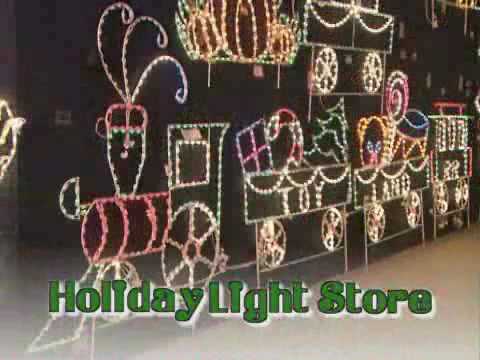
Animated light sculptures sit at the high end of the market. They use motion, layered color, and synchronized effects to fill a yard in ways that a row of strands cannot. For homeowners who host gatherings or who want a display that becomes a neighborhood landmark, they are the most visible option.
These displays typically cost more and need more planning than strands. You need a power plan, a secure base that resists wind, and a location where guests can view the display safely. [Image placeholder: suburban home at dusk with an illuminated animated sculpture on a front lawn]
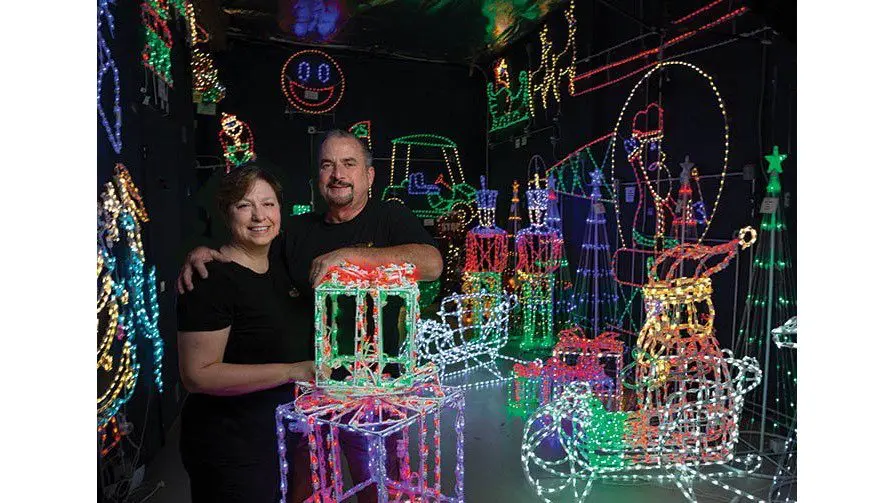
The Holiday Light Store specializes in handmade animated sculptures that are powder-coated and made in the USA. A common mistake is buying a sculpture based only on its photograph and ignoring the frame and coating.
Some homeowners will find animated sculptures too large or too costly for their space. If that describes you, a smaller set of strands with warm-white bulbs and a timer may serve better.
Permanent Outdoor Holiday Lighting Systems
Permanent systems stay on the eaves, roofline, or landscape year-round and change color or theme for each holiday. They remove the seasonal hanging chore and protect fixtures from storage damage. They also demand more upfront planning, because wiring, mounting points, and controller placement have to be right the first time.
The main advantage is consistency. Once installed, the display looks clean in every season, and you avoid the repeated hanging and taking down that hard-to-reach gutters require. The main drawback is that the system must be designed around your house. Mounting clips, weatherproof connectors, and a dedicated circuit with GFCI protection are standard safety practices for any outdoor lighting installation.
Permanent systems suit homeowners who plan to stay in their house for several years and who want a low-effort display each season.
Energy-Efficient Holiday Lighting and Electricity Use
Energy use depends on three things: the type of light, how many lights you run, and how long they stay on. LED strands draw a small fraction of the power that incandescent strands do, which is why most energy-conscious guides recommend them. Adding a timer so lights turn off at a set hour cuts consumption further without changing the look of the display.
Solar-powered lights remove grid electricity from the equation entirely. They work best in full sun and charge during the day. Their output drops on cloudy days and in shorter winter daylight, so they are better for accent lighting than for a full, bright display.
Smart controllers add flexibility. You can schedule, dim, and change colors from a phone, and some models adjust brightness to reduce load. The extra cost is justified only if you will use the features.
Total Cost of Ownership, Installation and Climate Performance
The sticker price of a holiday display is only part of what you pay. A pricing breakdown for custom animated displays lays out the full cost before you commit. Total cost of ownership includes replacement bulbs, extension cords, timers, storage, installation time, and how many seasons the display lasts before it needs replacing.
Installation is where many homeowners underestimate the job. A sculpture or permanent system involves anchoring to the ground or structure, routing cables safely, and protecting connections from water. Read the manufacturer’s guidance before you start, and follow standard electrical safety practices. If you are not comfortable with wiring a house circuit or running outdoor cable, hiring a licensed electrician for the connection is a reasonable choice.
Climate matters as much as cost. Coastal homes face salt air and high wind. Snow regions need displays that shed weight and resist freeze-thaw cycles. Hot, dry climates can fade colors faster. A product that performs well in one region may corrode or fail in another. Check the product’s weather rating and ask about its finish before buying.
For weather-focused comparisons, our Best Weather Resistant Christmas Light Sculptures for 2026 covers options by climate.
Choosing the Right Holiday Lighting Option for Your Home
Start with three questions: How large is your display area? How long do you want the display to last? What is your budget for the first season and beyond?
If you want a simple, inexpensive display for one season, standard LED strands in warm white are a sound choice. If you want a memorable centerpiece, an animated sculpture is an option to consider. If you want low seasonal effort and plan to stay put, a permanent system pays off over time. If energy use concerns you, combine LED strands with timers or add solar accents.
Homeowners who want to see the range of outdoor options beyond standard strands can start with Christmas Cottage Lights Alternatives: Top Outdoor Options. Those ready to explore sculptures can review Buy Animated Christmas Light Sculptures: 2026 Guide and American Sale Alternative for Light Sculptures: 2026 Guide to compare what is available.
When you are ready to build your display, visit The Holiday Light Store for current pricing and product details.
Frequently Asked Questions
What are the best alternatives to LED holiday lights for homeowners?
Animated light sculptures are one alternative to LED holiday lights. Choose based on your budget, how long you want the display to last, and how much setup you are willing to do each year.
Are incandescent holiday lights better than LED lights?
Incandescent lights produce a warmer glow that some homeowners prefer, and their color can look more traditional. However, they use considerably more electricity than LEDs and their bulbs burn out more often. LED mini-lights cost more at purchase but are generally considered the more energy-efficient choice for outdoor displays. If appearance matters most, test a single strand of each type side by side at night.
Are permanent holiday lights worth the cost?
For a one-time or occasional display, traditional options are usually simpler.
Are animated holiday light sculptures durable enough for outdoor use?
The Holiday Light Store specializes in handmade outdoor light sculptures that are powder-coated and made in the USA. Ask the seller about warranty terms before purchasing.

